When the Tribe Becomes the Guide (February 2 - 7)
Highlights: How did we turn learning upside down?
This week, a learner joined us for a shadow week, providing an opportunity for current heroes to explain studio systems, schedules, and routines that support daily work. Learners walked the visitor through launches, transitions, expectations, and self-directed work blocks, offering a real-time window into how the studio operates.
Chess Quest spotlighted the Queen, prompting reflection on leadership and service
Persuasive speeches moved into peer critique using structured feedback. The studio practiced receiving feedback with curiosity rather than defensiveness.
Socratic discussions used metaphor to reflect on systems, tribe, and personal growth
Snow fort building continues during outdoor play time. The learners have created a Hobbiton-like snow fort village in the massive snow banks. As the weeks progress their game continues to develop in complexity—with currency (snowballs), defined roles, a restaurant, and rules of the game.

Hands-on, project-based Quests to master the tools and skills needed to solve problems in the real world
This week’s Chess Quest focus was the Queen, both in terms of her movement on the board and the leadership she represents. The Quest launched with a discussion on leadership styles: whether it is more effective to speak early and act quickly, or to listen fully and choose when to lead. Learners debated the strengths and risks of each approach.
In Communications, learners moved into the final stages of drafting their persuasive speeches. They began offering peer critiques, focusing on whether speeches included:
an engaging launch
logos (logic and evidence)
pathos (emotion)
ethos (credible sources)
a rebuttal to anticipated objections
a clear call to action
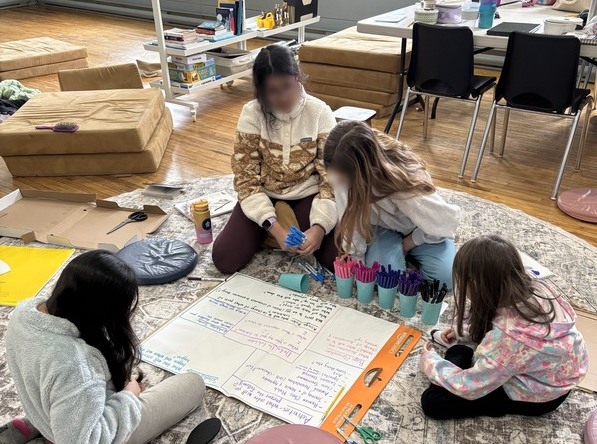
Learners also began planning for the upcoming Exhibition. As a group, they discussed possible activities, props and decorations, scheduling and flow, roles to be filled, and the types of feedback they would like to receive from attendees.

Written promises and covenants that form a tightly bound community of individuals learning to form authentic friendships and honestly resolve interpersonal problems
The peace table (conflict resolution area) was moved from the kitchen into the studio. Guides made this adjustment after observing that learners were more inclined to address conflicts when the space was located within the studio environment.

Deep Socratic discussions about heroes, history, and self-governance to hone critical thinking skills and the ability to powerfully think, write, and speak
The week began with a thought experiment: learners imagined arriving in an ancient city with limited time to locate an important site and had to choose just one tool to help them—a compass, a map, or a translation booklet. Learners explained their choices and discussed the limitations of each option.
Later, this scenario was revisited using metaphor. The compass represented a hero’s internal values, the map symbolized studio systems and tools, and the translation booklet represented connection to the tribe. Learners reflected on which of these they rely on most in their learning journey. Most felt they leaned heavily on their tribe, while others pointed to systems and processes they use regularly.
As learners prepare to present persuasive speeches at the Exhibition and request feedback from attendees, the studio spent time discussing how feedback feels. Learners reflected on whether they tend toward defensiveness or curiosity and explored strategies for responding productively when feedback feels difficult. They watched an example showing how specific feedback helped an artist improve over time.
The studio also began modeling short check-ins after launches and before transitions. Learners used this time to reflect on how they were feeling that day and what their capacity for work might be, allowing them to plan their time more intentionally.
A learner facilitated Town Hall this week, offering reminders about circle etiquette and leading a vote on the movie to be shown at the upcoming parent meeting. During Town Hall, the next Quest—Cartography—was announced, and learners shared what they already knew about mapmaking and navigation.
The final Quest launch of the week returned to leadership. In examining the Queen’s role on the chessboard, learners discussed whether strong leaders should command or serve. Most argued in favour of servant leadership, identifying both strengths and trade-offs. Learners reflected on their own comfort levels with leadership and shared examples of times they were called to lead by supporting others.

Memorable quotes from learners this week: evidence of the model in action
“You mean you just eat when you’re hungry?”
(referring to the freedom our learners have in choosing when and where to eat)
“Sometimes I want to be perfect and it’s hard to receive feedback. I’ve been working on that this year though.”
“The minutes don’t always last forever!”
(encouraging a fellow learner to join launch on time)
