
Inventing, Debating, and Discovering: Heroes Lead Their Own Learning (Oct 27–31)
Highlights
This week, heroes showed what it truly means to take charge of their own learning—whether creating new games, debating ideas, or meeting real-life heroes in their community.
During Forest School, learners invented a brand-new game after deciding they were ready for a change from hide-and-seek. The result? A creative blend of tag and wrestling that they built, tested, and refined together—solving their own problem through collaboration and imagination.
At Town Hall, heroes filled the agenda with announcements, proposals, and decisions. They led, moderated, and discussed nearly everything themselves, with guides only offering light direction on process. One outcome: a thoughtful amendment to their Studio Contract—a living document that grows as they do.
In Civilization, our weekly deep dive into history and big questions, a normally 15-minute discussion grew into a spirited half-hour debate. Learners took strong, evidence-based stands, disagreed respectfully, and upheld the Rules of Engagement beautifully. The energy and curiosity in the room were electric.
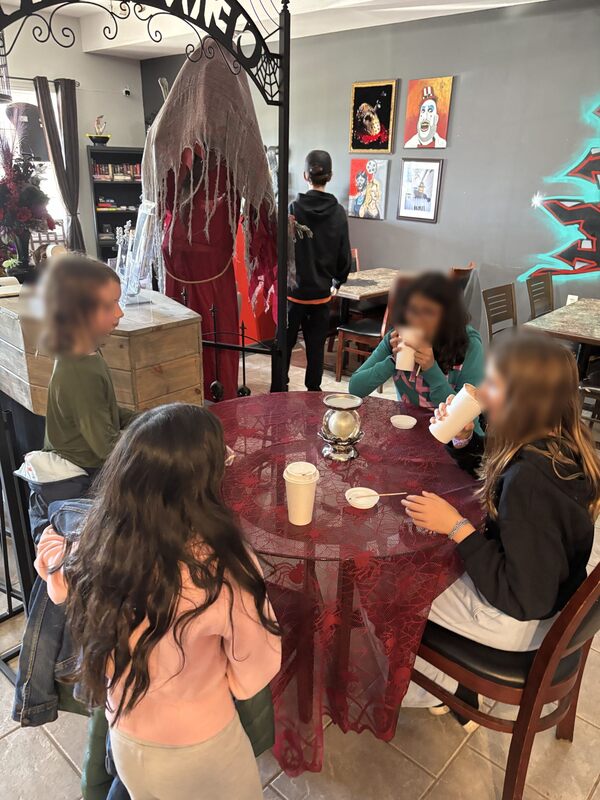
Finally, heroes went on their first Meet a Hero visit to Dark and Deadly Café, where they met local entrepreneurs Catherine and Michael. They heard the story behind their delightfully spooky café, asked insightful questions about motivation and challenges, and even got to step behind the counter to make their own hot chocolates.
The latest in educational technology for self-paced mastery in reading, writing, and math
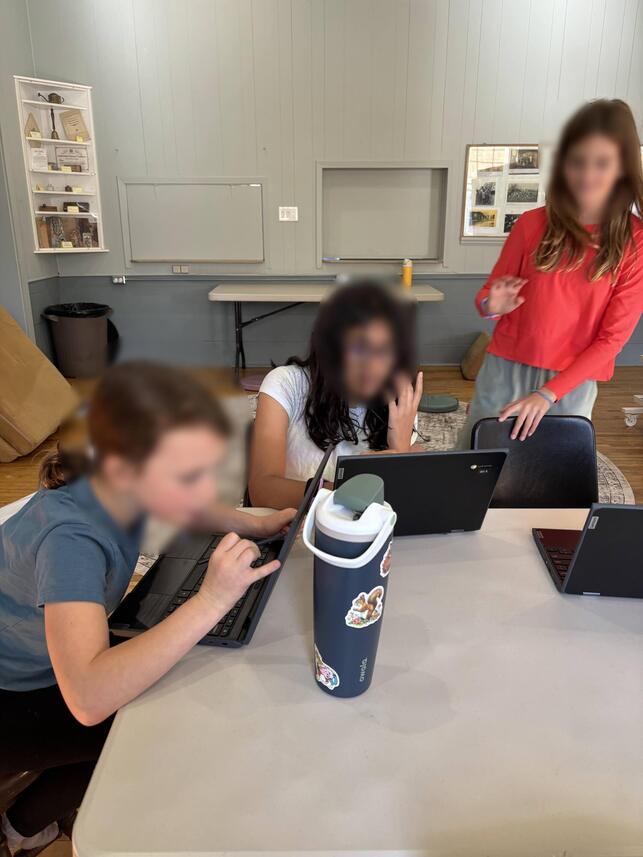
Some learners took their entrepreneurial exploration online this week by designing customer surveys in Google Forms—gathering feedback and data to help shape their mini-market business ideas.
Hands-on, project-based Quests to master the tools and skills needed to solve problems in the real world
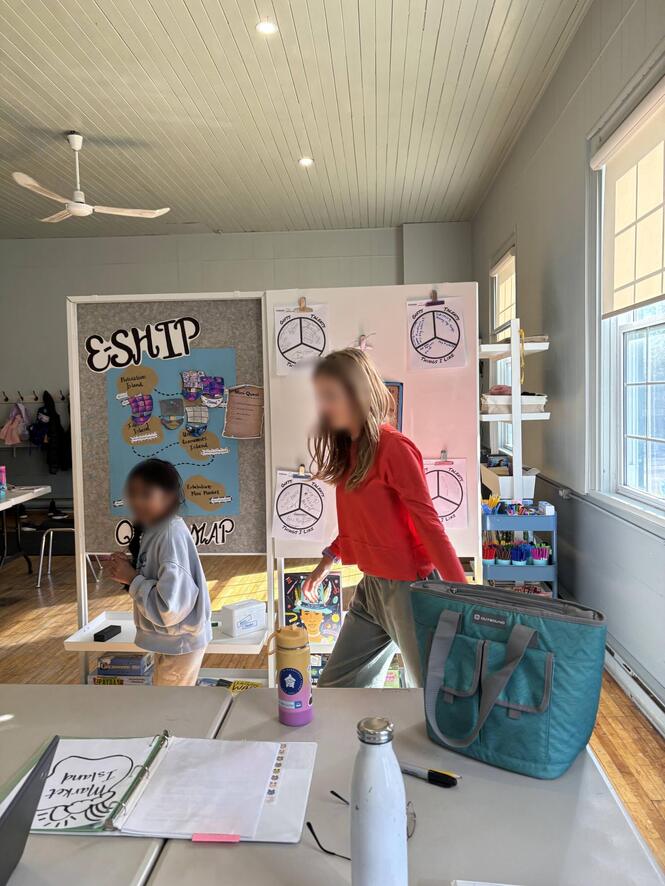
As part of the E-Ship Quest, heroes kicked off the week by preparing for their Meet a Hero visit. They brainstormed and practiced interview questions, eager to learn what motivates business owners to take risks and overcome challenges.
At the café, heroes asked thoughtful questions like:
What do you love most about your business?
How did you come up with your idea?
What was your biggest hurdle?
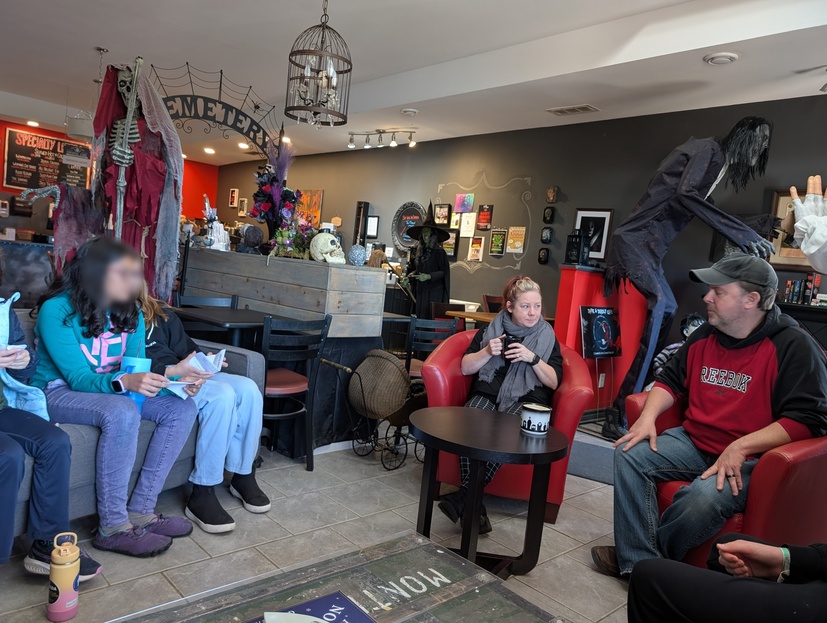
Afterwards, they reflected on what lessons they could apply to their own business ideas—and rewarded their curiosity with delicious cups of hot chocolate made by their own hands!
Back in the studio, learners created 6-word memoirs during Writer’s Workshop and began crafting surveys to learn more about their potential customers’ wants and needs.
Written promises and covenants that form a tightly bound community of individuals learning to form authentic friendships and honestly resolve interpersonal problems
Heroes continued playing and refining The Studio Showdown, a game that challenges them to uphold the promises and guardrails that make the studio a safe and respectful space. The results? More heroes stepping up to hold themselves—and each other—accountable.
They also recommitted to their studio maintenance responsibilities, with a new accountability system and a new leadership role: the Studio Champion, who helps keep everyone on task.
Deep Socratic discussions about heroes, history, and self-governance to hone critical thinking skills and the ability to powerfully think, write, and speak
As the E-Ship Quest moves from Motivation Island to Market Island, discussions focused on how to respond to customer feedback: which changes are worth making, and which values or ideas should remain core to their business vision.
Heroes also explored the art of habit-building—how to recommit to goals, add helpful tools, and make adjustments when systems stop working.
The most heated discussion of all came during Civilization, where learners passionately debated for double their usual time—remaining respectful and deeply engaged throughout. It was a beautiful example of what it looks like when young people learn to think, speak, and listen with purpose.
Memorable quotes from learners this week
“It’s okay for you to disagree, but I don’t think you’re considering new evidence.” (during a Socratic discussion)
“I think you should replace the word ‘artist’ with ‘designer,’ if you want.” (during Writer’s Workshop)
“I love you, but I need to do this.”
“I’m good at keeping track of time here and helping out here, even though I’m not good at those things at home.”
