From maps to maple syrup: another week of exploration (Mar 9 - 13)
Highlights: How did we turn learning upside down?
Reading club recommendations were introduced last week. Learners can recommend books and add them to a display if they choose. They can also add them to the new “book fairy” cart so fellow travellers can pick them up to read.
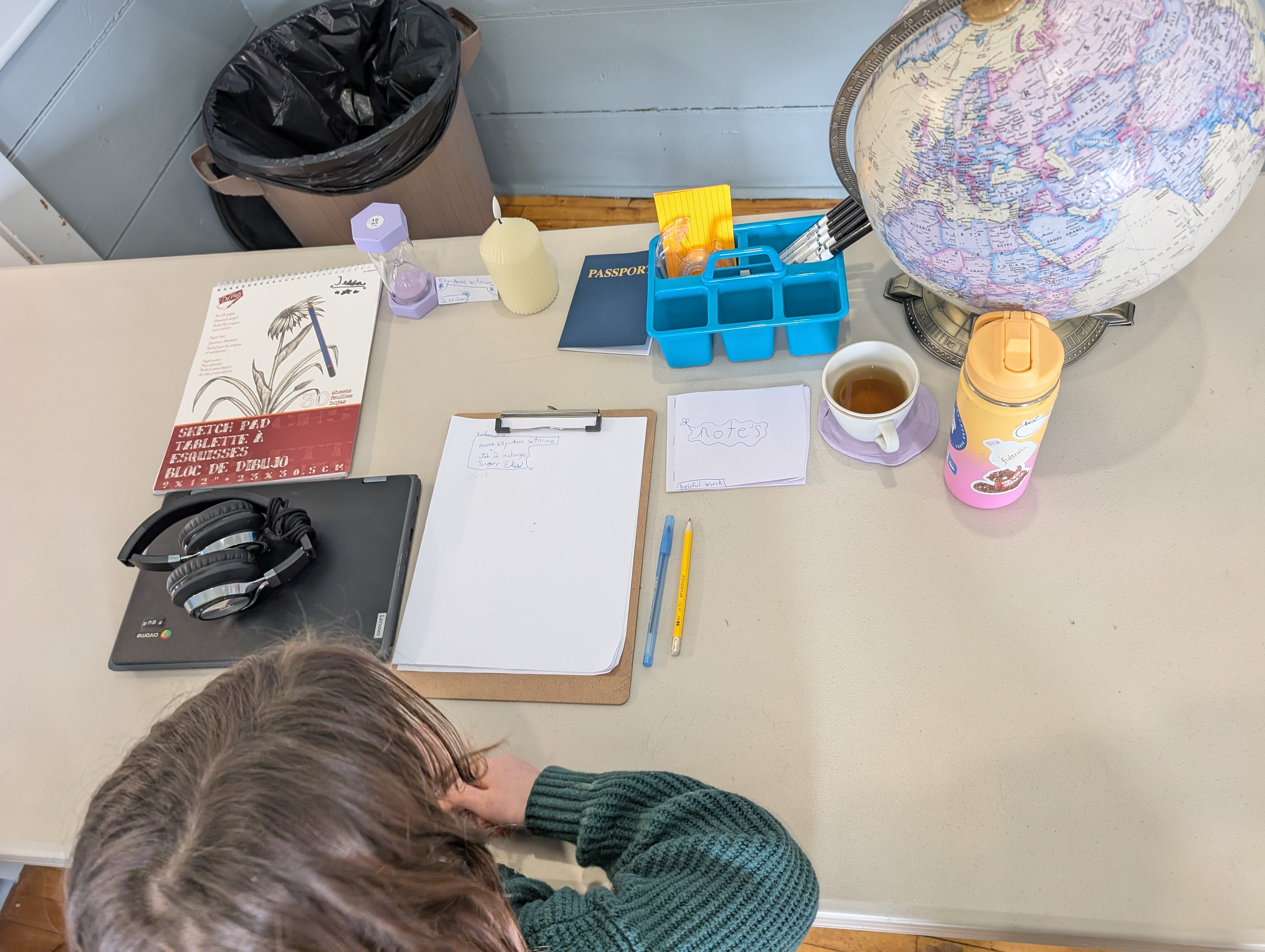
Learners went on a scavenger hunt around the studio to find technology-free options. They gathered them on a table as an invitation to take breaks during Core Skills. Since then, there has been renewed interest in handwriting, sketching, and puzzles.
Learners discussed how to improve Core Skills time and suggested several concrete, measurable changes. Some chose to move further apart in the studio to help with focus. They created a shared Google Doc to check in on progress instead of talking during Core Skills. The kitchen has also become a space learners use when they need a body break.
Character Call Outs again filled the studio this week. Learners complimented one another on how they resolved conflicts during Quest and accomplished what they set out to do. Several learners described it as good “crewing.”
The latest in educational technology for self-paced mastery in reading, writing, and math
Learners continued working on their individual Core Skills goals using the studio’s digital learning tools. This week’s conversations focused on how to structure Core Skills time so everyone can concentrate and make steady progress. The shared progress document and new focus strategies are experiments the learners chose to try this week.
Hands-on, project-based Quests to master the tools and skills needed to solve problems in the real world
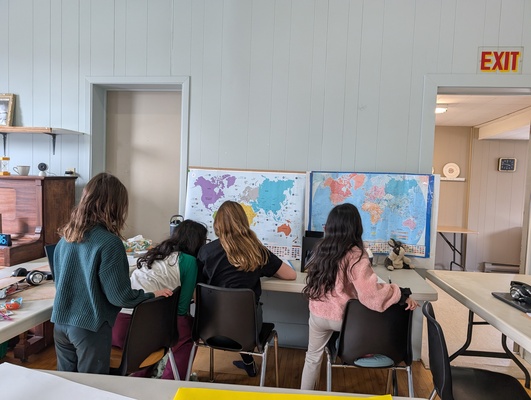
Learners are becoming increasingly comfortable working with maps and globes. Many can now locate places using coordinates quickly and confidently.
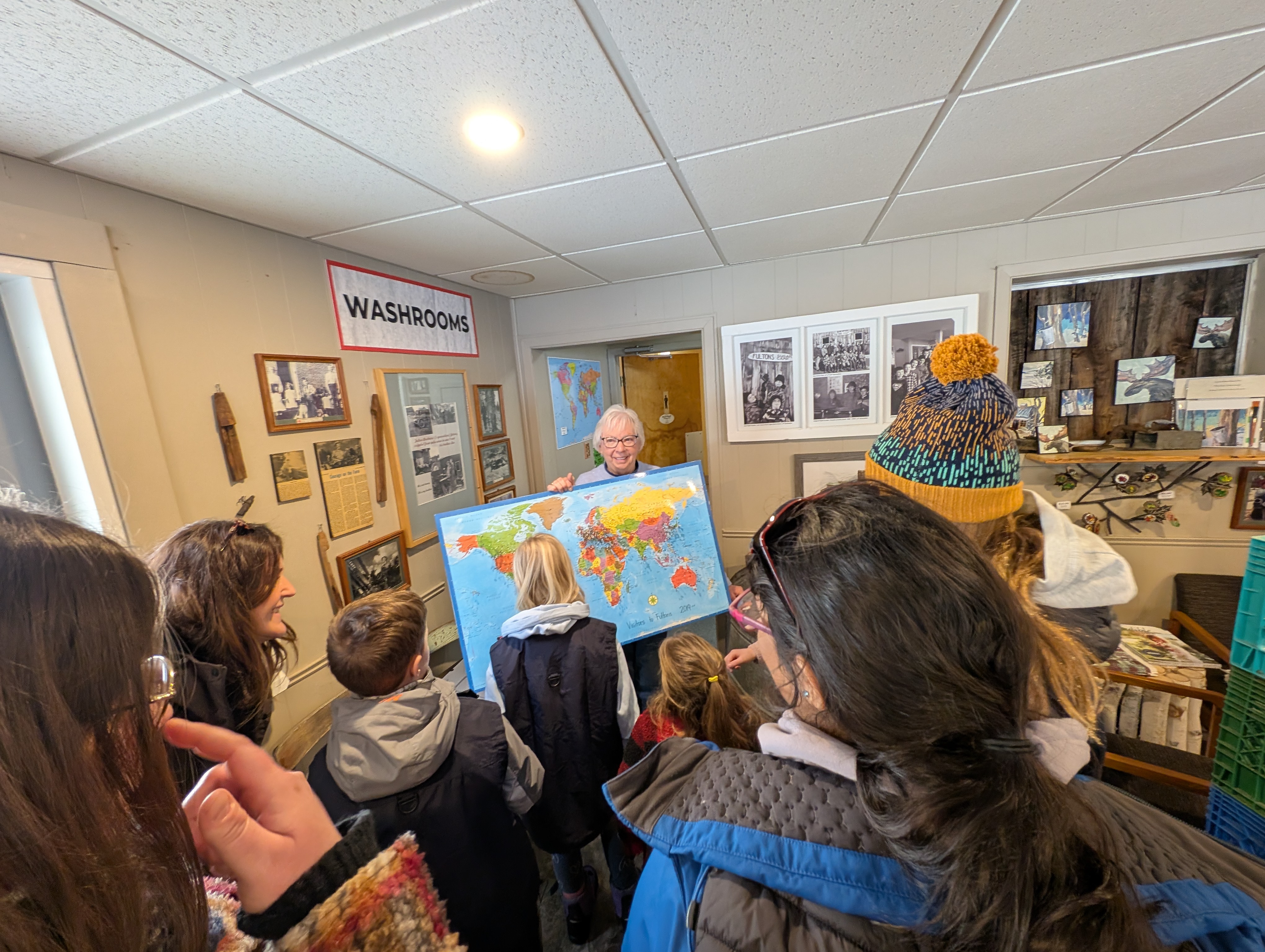
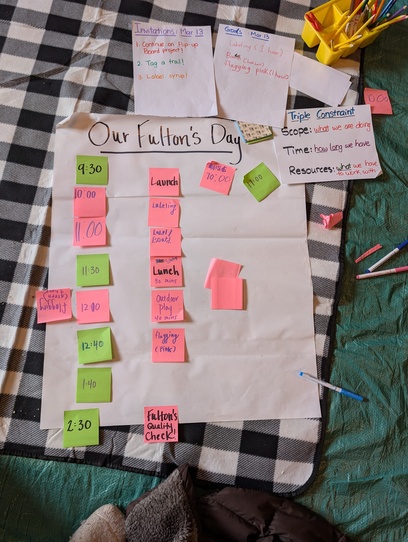
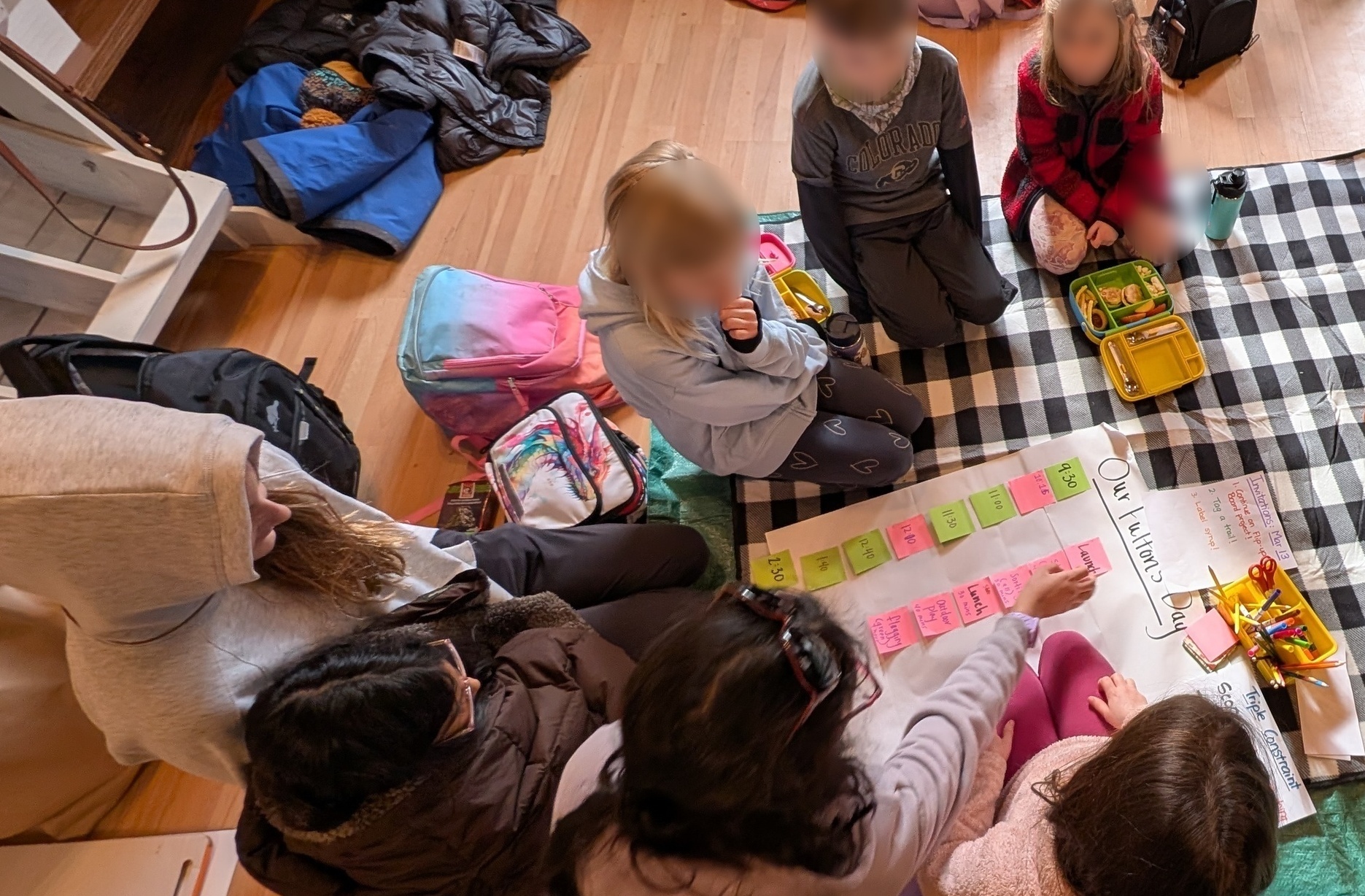
The Great Fulton’s Sugar Bush Expedition mini-quest continues during our outdoor education day. Once again, learners began by reviewing work invitations from the farm team. After considering the options, they created a list of concrete goals and a schedule for the day.
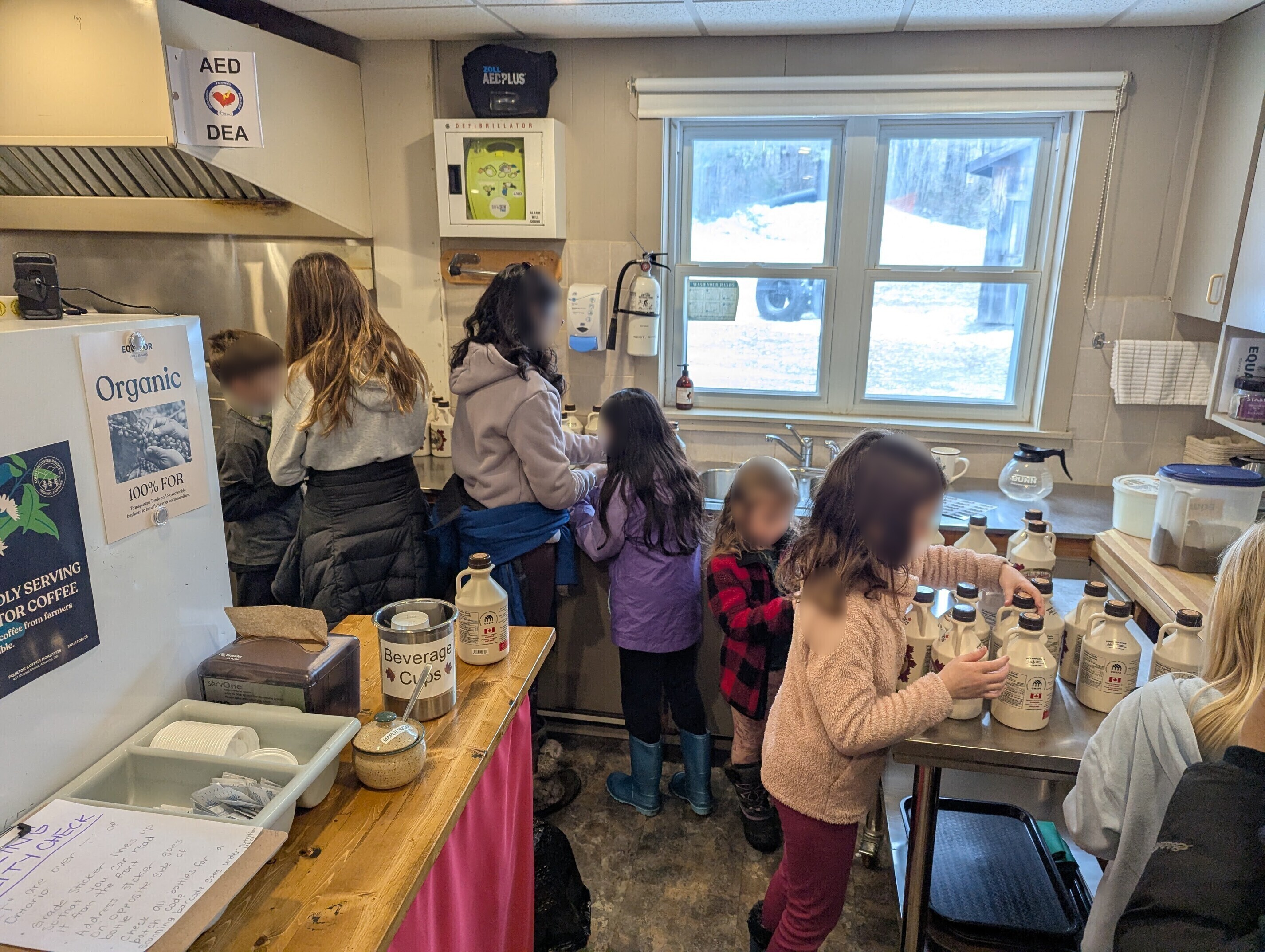
One of the first tasks involved labeling bottles with newly made syrup. Learners engaged in lively discussion to determine who will do what, where each person will stand, and what order the tasks should happen in. They organized themselves into an assembly line and got to work.
They also set a goal of tagging another trail. When they reached the trail, they discovered it was extremely icy following the recent ice storm. The crew paused to deliberate what to do when conditions change unexpectedly when you're working towards a goal. After discussing the options and taking a vote, they decided to modify their goals for the day, park the trail tagging goal until the trail conditions improve, and continue working on the flip-up boards instead.
Written promises and covenants that form a tightly bound community of individuals learning to form authentic friendships and honestly resolve interpersonal problems
When a conflict during Quest set the crew off course this week, learners turned to the studio’s conflict resolution recipe and the “talk rock.” They formed a circle and worked through the process together.
At times, when it felt difficult to say or hear what needed to be said, some learners took out pads and pencils to write down their thoughts and feelings to share them.
Deep Socratic discussions about heroes, history, and self-governance to hone critical thinking skills and the ability to powerfully think, write, and speak
Morning launches continued to introduce heroes from around the globe who explore the world in different ways.
On Monday, learners travelled to the continent of Africa and learn about Wangari Maathai, who organized women to plant trees, fight deforestation, and strengthen democracy in Kenya. Learners considered what they might do if they were in her position. Some suggested appealing to leaders for change. Others said they might try to run for office. One learner suggested beginning with small actions right where you are.
In Civilizations, learners read about Ashoka, a Mauryan emperor who led a devastating war that killed thousands. After witnessing the suffering it caused, he renounced violence and worked to improve the lives of his people. Learners discussed whether someone who has caused great harm should be forgiven. Many believe Ashoka could be forgiven, though not without consequences. When asked if they would feel the same way if they themselves had been harmed or lost someone they loved, several admit they might feel far less forgiving.
Memorable quotes from learners this week: evidence of the model in action
“This is great! It’s a group project.”
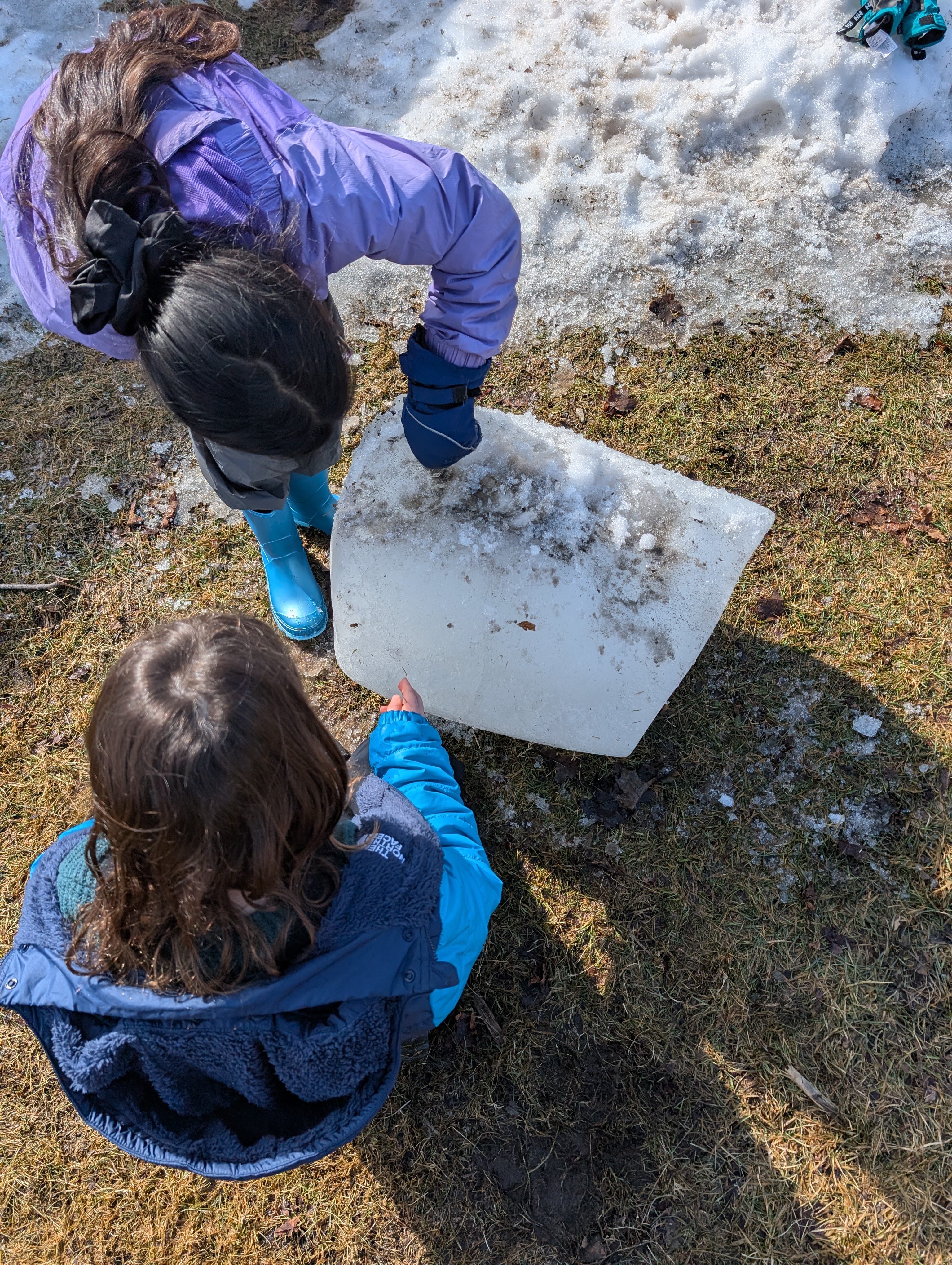
(after extracting a large block of ice from a rain barrel and working together to clean the outside by chipping away at it with rocks and smoothing it with snow)
“I can’t wait for Quest!”
“We’re doing a continent a day!”
“We have time, we could do more. Could we just go crazy on the floor for a bit?”