Charting New Territory Together (Feb 23-27)
Observations from Feb 23–27
Highlights: How did we turn learning upside down?
Launched Session 5 and a new Quest: Cartography — a global exploration challenge rooted in courage, curiosity, and navigation.
Scholar’s Choice turned dynamic as learners decided to play three board games at the same time: Labyrinth, Ravine, and Carcassonne (also affectionately called “casserole”).
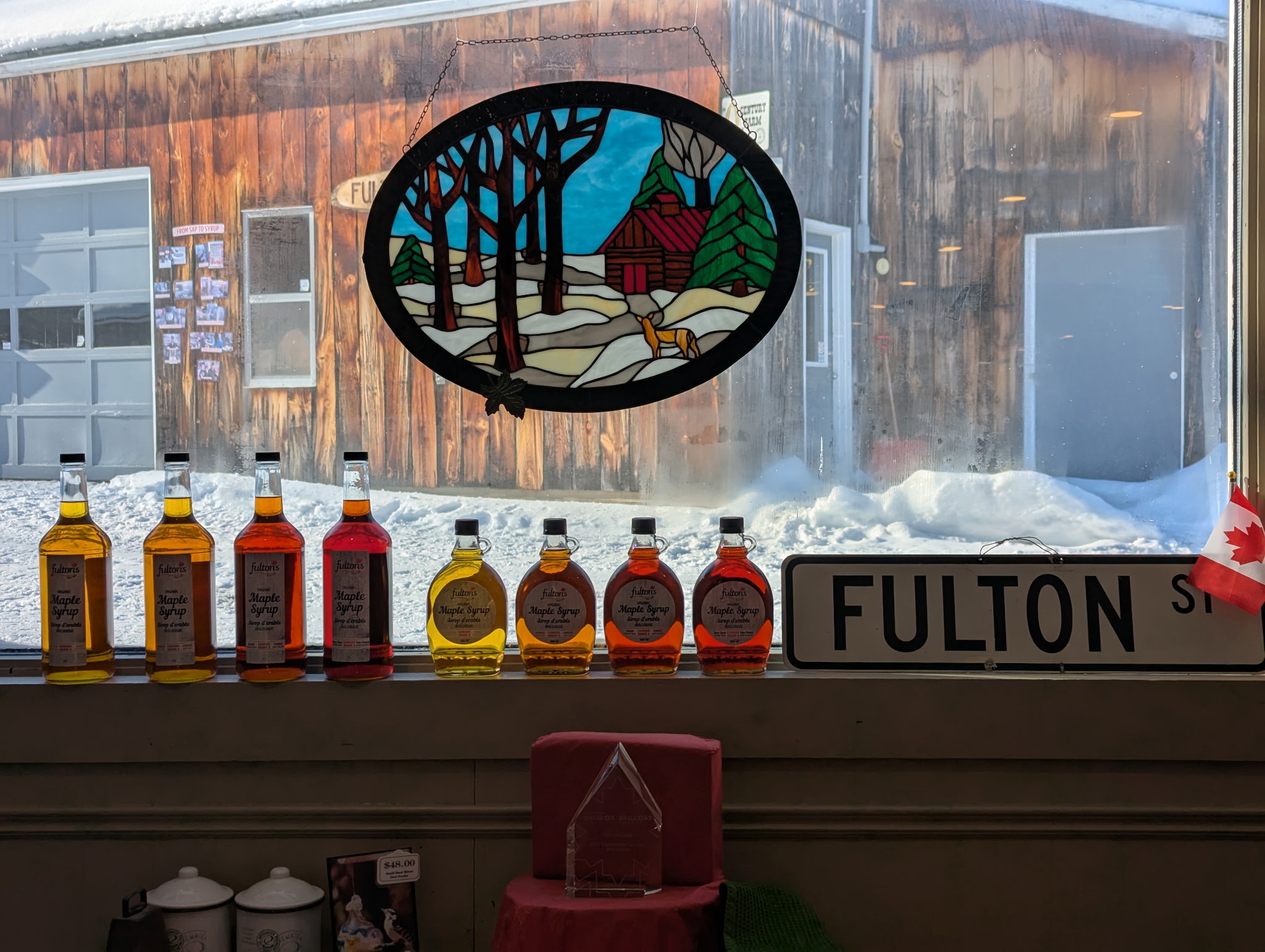
Began The Great Fulton’s Sugar Bush Expedition mini-quest.
Experienced the most learner-driven Town Hall yet—fully facilitated by the learners themselves.
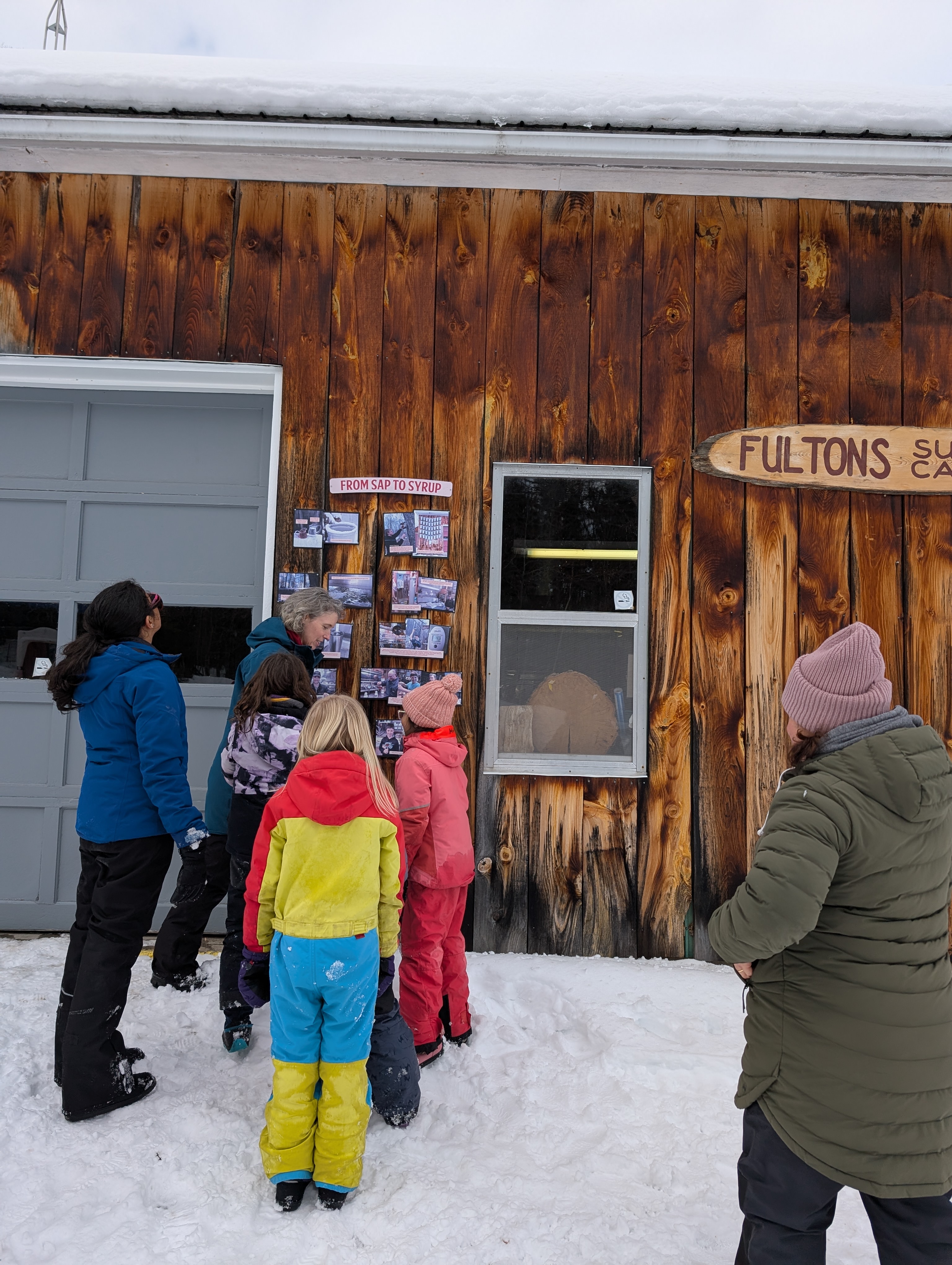
The latest in educational technology for self-paced mastery in reading, writing, and math
As Session 5 began, learners returned to their Core Skills platforms with renewed focus. Goals were revisited. Stamina was tested. Personal targets were adjusted.
Some learners experimented with new work rhythms. Others pushed themselves to increase daily output. The emphasis remained on steady mastery—tracking progress, reflecting honestly, and taking ownership of growth.
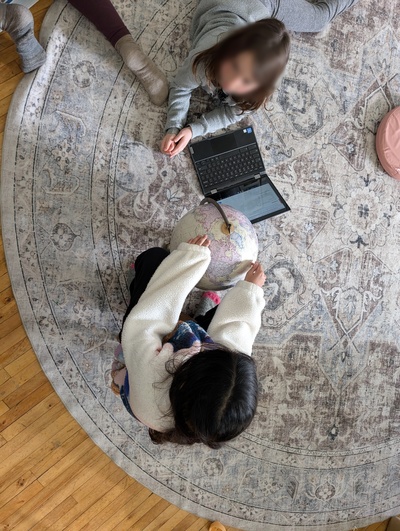
Hands-on, project-based Quests to master the tools and skills needed to solve problems in the real world
On Monday, we launched the Session 5 Cartography Quest: “The Stolen Travel Manifesto.”
Learners were introduced to the Portuguese explorer Ferdinand Magellan and the crew who first circumnavigated the globe. They learned about the risks, preparation, and persistence required for such a journey—and then were handed their own mission.
Every session Acton learners in our school and around the world are invited to participate in a communications challenge (we call it "comms"). This week marked the launch of a new communications challenge: writing a how-to manual.
It began with a simple but revealing exercise. Learners had to instruct their guide—acting as a literal-minded robot—to put on a coat, hat, and gloves. The results were hilarious. Sleeves were misused. Hats misplaced. Gloves misunderstood. The lesson was clear: clarity matters.
Now learners are drafting step-by-step instructions for using, making, or building something of their choice—practicing precision in communication.
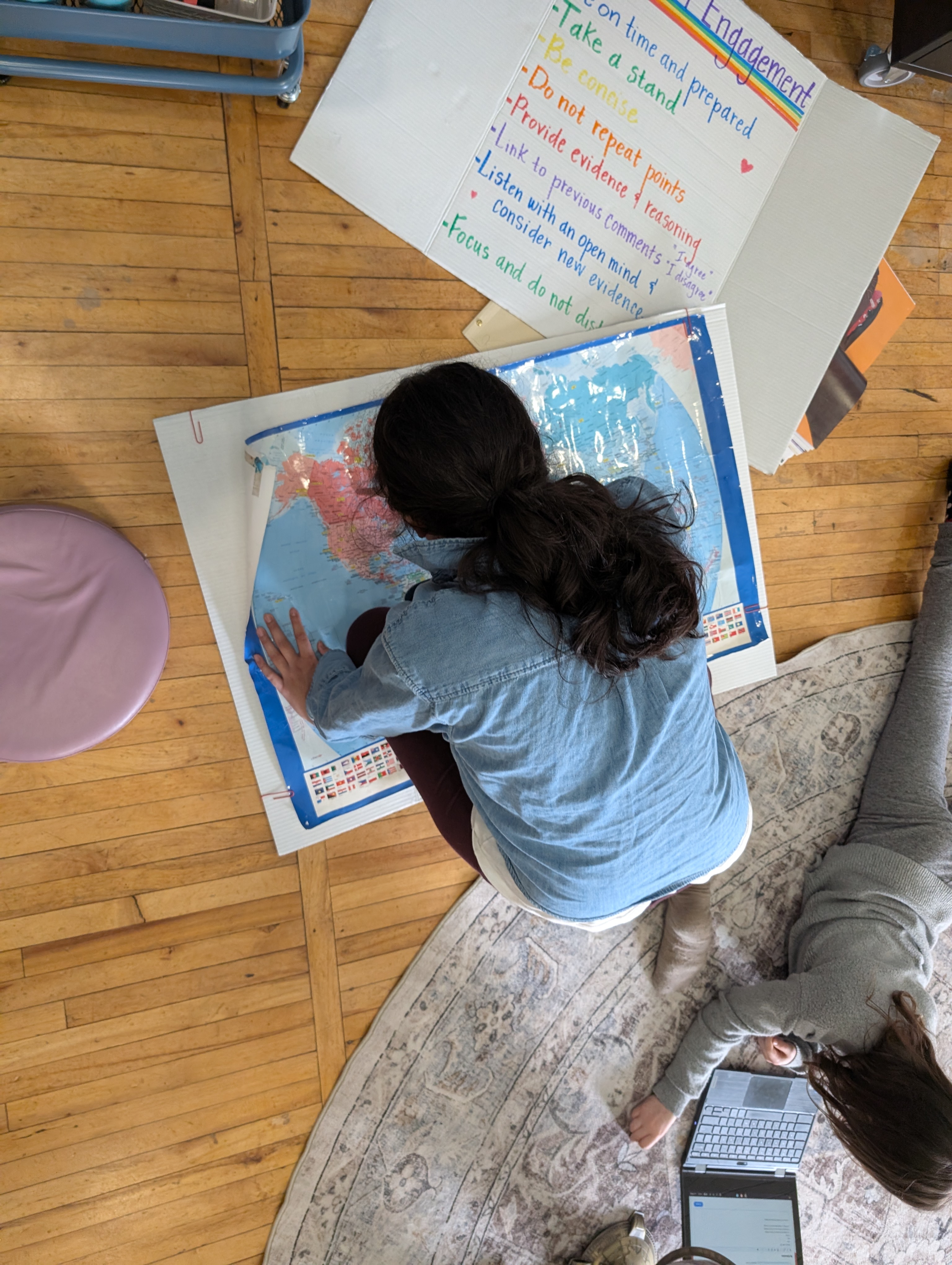
Outdoor Education: The Great Fulton’s Sugar Bush Expedition
Cartography extended beyond maps this week.
Learners began a mini-quest in partnership with Fulton's Sugar Bush & Maple Shop. Over three Expedition Days leading up to March Break, they are part of the Fulton’s team—doing real work that will help the sugar bush and maple shop.
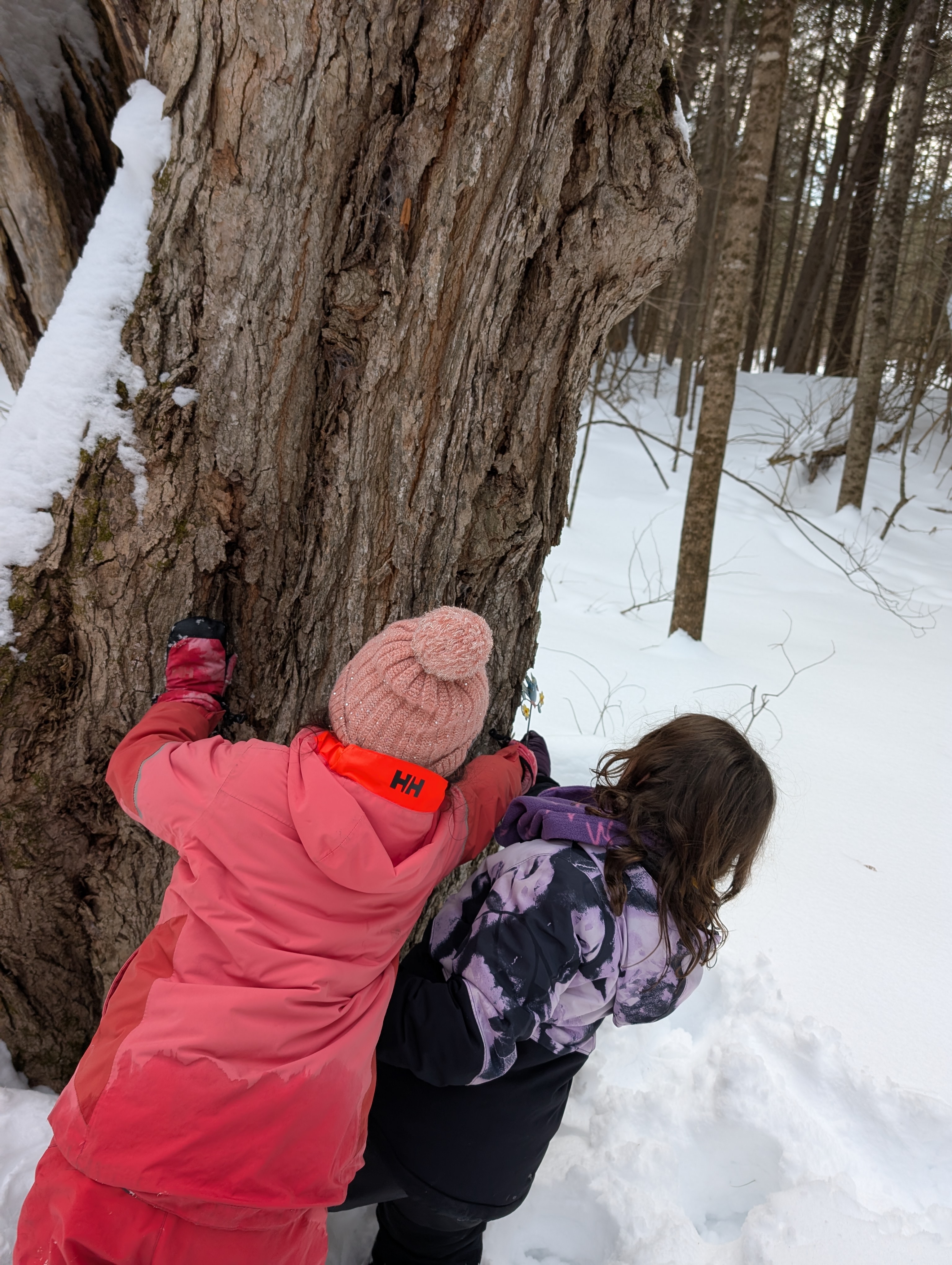
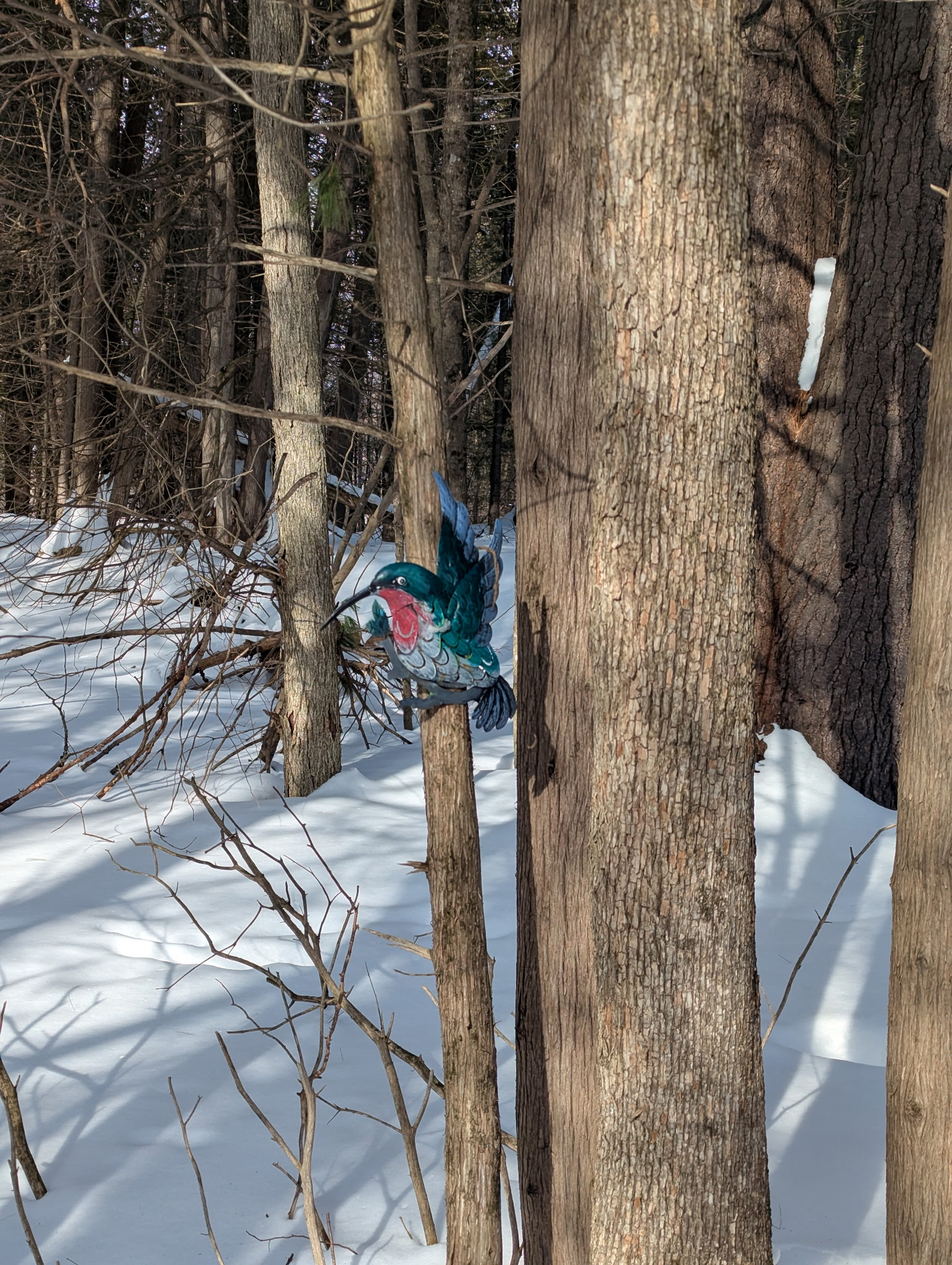
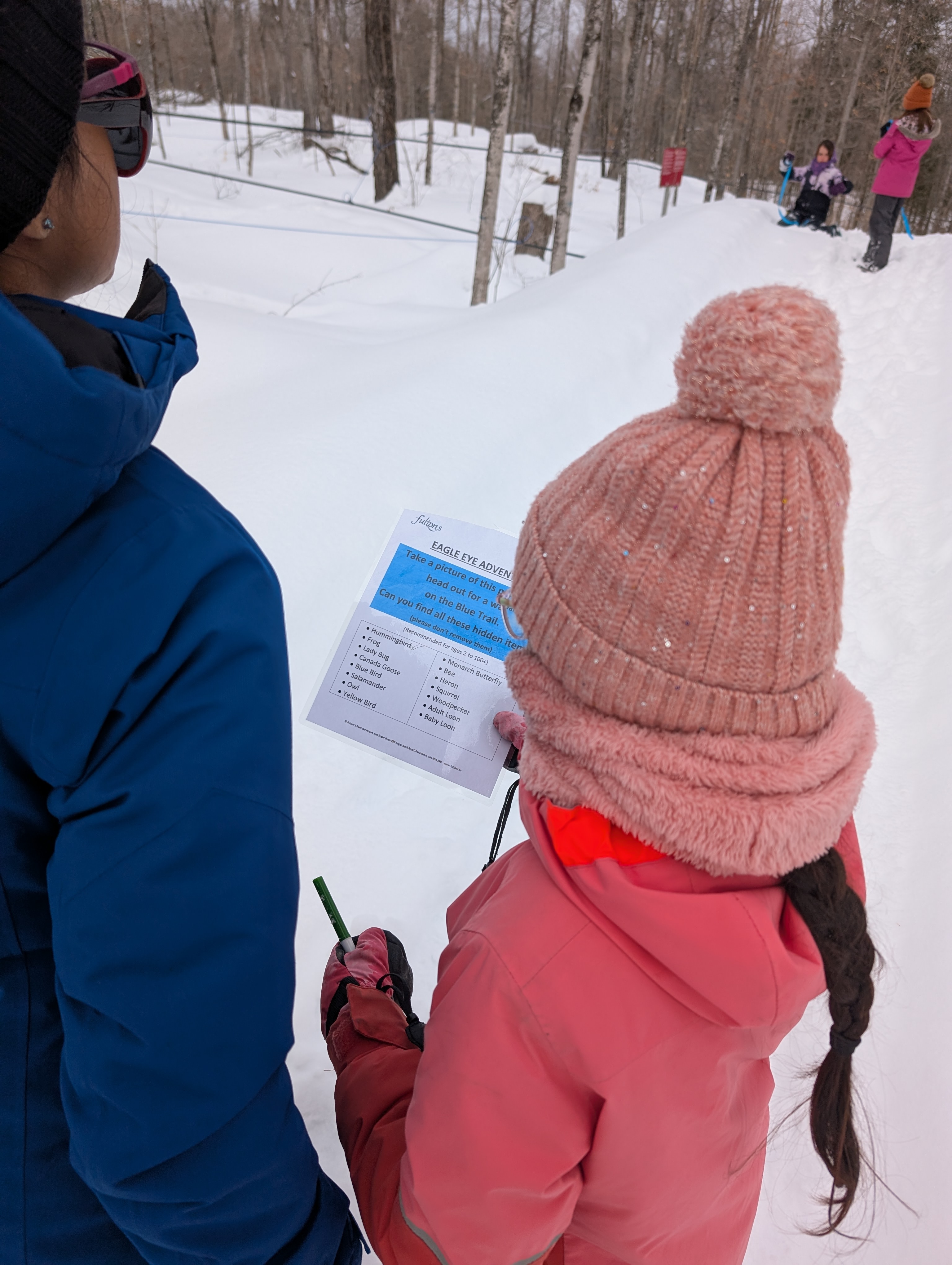
Last Friday, Fulton’s entrusted our learners with redesigning their well-known and well-loved scavenger hunt of metal animal sculptures hidden along the trails.
Our learners:
Used real tools to remove existing scavenger hunt markers from one trail.
Problem-solved together in outdoor winter conditions.
Designed and installed a new scavenger hunt featuring 14 hidden items on a different trail.
The new scavenger hunt will be enjoyed by hundreds of families from our community and around the world during sugaring season and March Break.
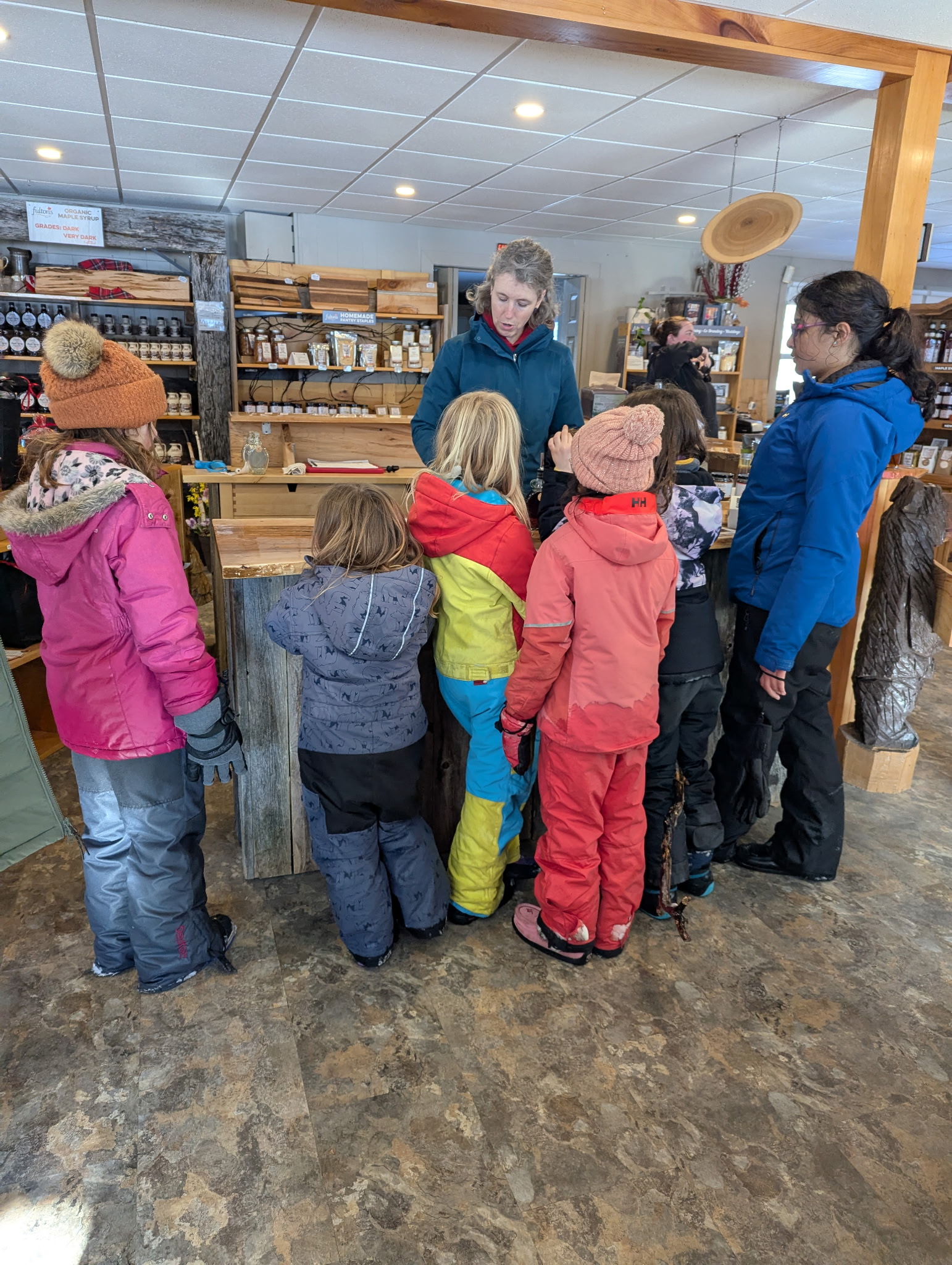
Every week, learners are also learning about sugaring, the Fulton's family, and their business from Fulton's staff. This week was focused on the trees and weather that make maple syrup possible!
Written promises and covenants that form a tightly bound community of individuals learning to form authentic friendships and honestly resolve interpersonal problems
Learners led a productive town hall. Several issues related to studio life were brought up by various learners, including: it being too noisy during Core Skills, the blankets they all love to use needing washing, how the floors seem to be getting neglected during studio maintenance. Learners discussed the problems. They then identified and voted on solutions to make decisions on how to run their studio. This was the most learner-driven town hall we have had so far in our new studio–it was led by and facilitated fully by the learners, to the point where the adults’ presence did not make a difference to it. This was self-governance in action.
Deep Socratic discussions about heroes, history, and self-governance to hone critical thinking skills and the ability to powerfully think, write, and speak
Session 5 opened with the overarching question: What motivates you to explore what is new and unknown?
Monday
First, learners discussed how the words "new" and "unknown" made them feel and then whether the unknown was something to be avoided or welcomed. Learners unanimously voted to welcome the unknown. They discussed trying new foods and loving them or meeting new people and loving them. One learner challenged herself to play the devil’s advocate and argued that if the unknown involved great danger it should be avoided. In the end, they all agreed on welcoming the unknown and shared what motivates them to explore the unknown.
Tuesday
Learners examined what kind of explorers they believe they are—and what kind they want to become.
They learned about Canadian astronaut Chris Hadfield, whose dream to go to space began before Canada had an astronaut program.
Presented with obstacles, learners were asked: Would you leave home to pursue your dream elsewhere, or build something new where you are?
They chose to build from scratch.
Reasons shared:
Canada deserves a space program.
Creating something new paves the way for future generations.
They also considered counterarguments—what if no one supported the idea? What if the community resisted?
When describing Hadfield, learners identified him as prepared, resilient, and collaborative—noting the years of training required to spend six months in space.
Wednesday
We revisited the Hero’s Journey and read Six Dots: A Story of Young Louis Braille. Learners reflected on Braille’s perseverance after crisis and his determination to create a reading and writing system for the blind.
Thursday
Learners imagined joining the expedition of Meriwether Lewis and William Clark.
They were asked what would keep them pushing forward through freezing rivers, wild animals, and unknown territory.
Answers included:
Commitment to crew.
Commitment to country.
Curiosity.
Memorable quotes from learners this week: evidence of the model in action
“Kindness is good leadership too.”
“I actually helped someone spell something, that’s a first.”
“I think this quest might be my favourite! I like working in a team; it makes me feel better. My other favourites were lip dub and e-ship. That’s good because I think those are the two we repeat every year.”
“This is so fun! Even if it’s challenging I’m still finding it fun, finding places on the map.”
“I think it’s in Paris, but we didn’t really use the map. We should learn how to do latitude and longitude. We should watch the video again.”
